A Homeowner’s Guide To Avoiding Unexpected Plumbing Emergencies
As a homeowner, one of the most important things you do is keep your plumbing in good shape. Plumbing isn’t something people think about until something goes wrong. A broken pipe, a clogged drain, or a water heater that overflows can quickly become an expensive problem. Several plumbing issues appear gradually at first, and therefore, people have plenty of time to get ready if they know what signs to look out for. Preventive action and scheduling maintenance can help to minimise the chances of plumbing issues occurring at the most unpredictable times and save your property from loss as well as your money.
Pay Attention To Small Plumbing Issues
Many large plumbing issues begin as junior problems. Your tap drips, your sink doesn’t drain properly, or your toilet always runs — sounds like a minor inconvenience, right? Well, these issues can actually be symptoms of more serious problems that will only exacerbate with time.
Ignoring these early warnings is going to be more expensive than fixing them later. For instance, a drop of water from a small leak buried in a wall will, over time, gradually soak the insulating layer or flooring and building material behind it to the point that mould can grow. We fix things as an issue rather than letting it build up until the entire system fails – it is always cheaper that way.
Be Careful About What Goes Down The Drain?
Kitchen and bathroom drains are only installed for dirty water. Grease, cooking oil, coffee grounds, food scraps and wipes are the most common causes of clogs in pipes or plumbing systems for various devices.
Unfortunately, items that brag that they can be flushed may not function as anticipated. In the washbasin and bathroom, put a drain stopper to keep hair, food and other waste from getting into the pipes. One of the best ways to keep drains from getting clogged is to learn how to use a garbage disposal properly.
Know Where Your Main Water Shut-Off Valve Is?
Every homeowner should know where the primary water shut-off button is located. If there has been a big leak or a broken pipe, shut off the water supply straight away so that further damage may be prevented as much as possible.
Additionally, find the button and take a moment to ensure you educate everyone in the house on its application. Rapid movement in an emergency can prevent costs in repair from going up thousands of dollars.
Protect Pipes During Seasonal Weather
Freezing temperatures occur less frequently over large areas of the Australian continent than in many colder climates, but variations can harm exposed pipe work. Accessed external Pipes, furrows and garden taps ought to be checked on a normal basis for harm and wear.
By insulating lines that might freeze and fixing small cracks before the weather changes, you can make equipment last longer and make it less likely that it will break down when you least want it to.
Inspect Plumbing Fixtures Regularly
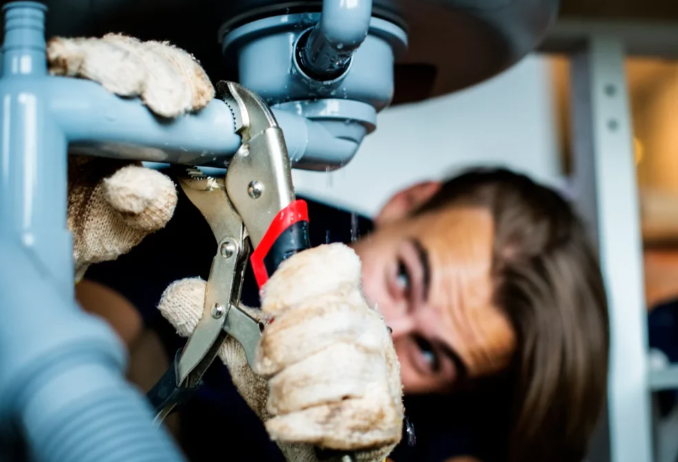
A simple check-up once a month can help you avoid expensive emergencies. Check for water under sinks, along with exposed lines and signs of leaking or dripping around toilet bases.
If you hear strange sounds like pipes hitting or water running all the time, pay attention. It’s also possible that low water pressure means there is a leak or clog that needs to be fixed.
Just a few minutes each, these checks make sure that much bigger problems don’t happen in the future.
Schedule Preventive Maintenance
A lot of people only call a plumber when something goes wrong. But one of the best things you can do is spend your money on protection.
Expert techs catch worn-out pipes after regular checks, before they become emergencies, hunting for low pressure and hidden leaks. As such, when residents hire professional plumbing services Lane Cove, they can receive expert assessments which allow them to maintain great performing plumbing systems throughout the year and reduce the risk of expensive repairs.
Avoid DIY Repairs Beyond Your Skill Level
When you watch online tutorials for home improvement projects, they may look easy, but plumbing fixes often need special tools and knowledge. If you put fittings, joints, or pipe links in the wrong way, you might make things worse instead of better.
People may be able to do simple things around the house, like change the shower head or clear out the drain. Still, leave the fixing of pipes to trained pros — even gas plumbing, water heaters and bigger leaks.
Watch Your Water Pressure
For some things, like taking a shower, having a lot of water flow through you is nice. But this puts constant pressure on the lines, fittings, appliances, and water heater. Over time, this extra stress makes it more likely that there will be leaks and breaks.
It’s possible that your water is running too hard. If you hear banging sounds when you turn off the taps, you may need to check your water pressure. The whole plumbing system can be kept safe by adding a pressure-reducing valve.
See also: How TravelBusinessClass.com Delivers Cheap Business Class Flights Through Consolidator Airfares
Conclusion
Plumbing crises don’t happen very often because they always happen when you least expect them. The water pressure changes, there are small leaks, and the water drains slowly. These are all early warning signs that something needs to be fixed. Preventative maintenance, regular checks, proper drain use, and being ready for emergencies are all things that homes can do to greatly lower their chances of having costly plumbing problems. When it comes to plumbing, being proactive will keep your plumbing system working longer and your home free from water damage, allowing you peace of mind for many years to come.