Exploring the Majesty of Chulu West Peak and the Tilicho Lake Trek
Nepal, a land of towering (Himalayas), ancient cultures, and breathtaking landscapes, offers some of the most rewarding trekking and climbing experiences in the world. Among its many adventures, the journey to Chulu West Peak combined with the Tilicho Lake Trek stands out as a remarkable blend of high-altitude mountaineering and scenic trekking. This expedition is not just about reaching a summit or a lake—it is about immersing yourself in raw natural beauty, testing your endurance, and experiencing the spirit of the mountains.
Introduction to Chulu West Peak
Chulu West Peak, rising to an elevation of approximately 6,419 meters (21,059 feet), is one of the popular trekking peaks in the Annapurna region of Nepal. It offers climbers a challenging yet achievable Himalayan ascent. Located north of the famous Annapurna Circuit, this peak provides stunning panoramic views of Annapurna II, Annapurna III, Annapurna IV, Gangapurna, Dhaulagiri, and Manaslu.
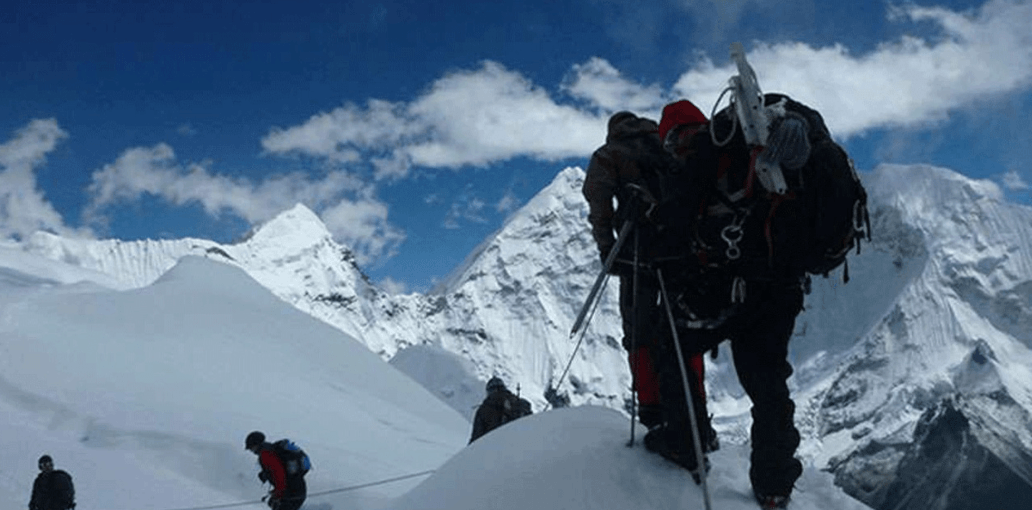
Unlike technical mountaineering peaks, Chulu West is considered suitable for trekkers with basic climbing skills. However, it still demands physical fitness, acclimatization, and proper preparation. The climb involves snow slopes, glacier travel, and the use of mountaineering equipment such as crampons, ice axes, and ropes.
What makes Chulu West particularly special is not only the climb itself but also the journey leading up to it—passing through traditional villages, alpine forests, and high mountain deserts.
The Allure of Tilicho Lake
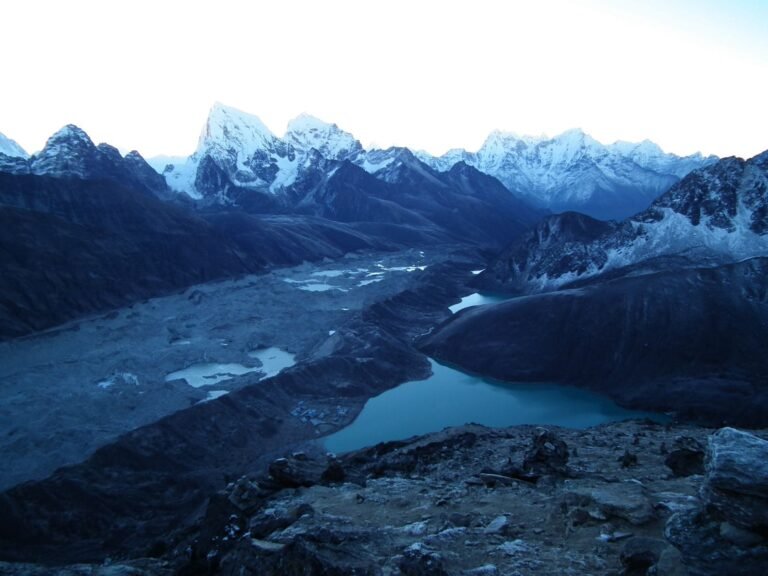
Tilicho Lake, situated at an altitude of about 4,919 meters (16,138 feet), is one of the highest lakes in the world. It lies in the Annapurna region, surrounded by snow-capped peaks and rugged terrain. The lake is revered both for its natural beauty and its spiritual significance, particularly in Hindu mythology, where it is believed to be mentioned in the ancient epic Ramayana.
The trek to Tilicho Lake is considered one of the most scenic detours from the Annapurna Circuit. The route traverses landslide-prone trails, high-altitude deserts, and remote settlements, making it both thrilling and rewarding.
The turquoise waters of Tilicho Lake, reflecting the surrounding mountains, create a surreal and unforgettable sight. The journey to the lake is as captivating as the destination itself, offering diverse landscapes that change dramatically with altitude.
Combining Chulu West Peak and Tilicho Lake Trek
The combination of Chulu West Peak climbing and the Tilicho Lake trek creates a comprehensive Himalayan adventure. This itinerary allows trekkers to experience both high-altitude trekking and mountaineering within a single journey.
Typically, the trek begins from the lower regions of the Annapurna Circuit, passing through villages like Besisahar, Chame, and Pisang. As trekkers ascend, they gradually acclimatize to higher altitudes, which is essential for both reaching Tilicho Lake and attempting the summit of Chulu West.
After exploring Tilicho Lake, climbers move toward the base camp of Chulu West. From there, they establish a high camp before making the final summit push. This gradual progression helps reduce the risk of altitude sickness while enhancing the overall experience.
Scenic Highlights Along the Route
One of the greatest appeals of this combined trek is the variety of landscapes and cultural experiences it offers.
In the lower regions, trekkers walk through lush forests, terraced fields, and riverside trails. As the elevation increases, the scenery transforms into alpine meadows and eventually into a barren, high-altitude desert.
The Tilicho Lake section offers dramatic cliffs, narrow trails, and vast open spaces that evoke a sense of isolation and grandeur. Meanwhile, the Chulu West climb provides an entirely different perspective—standing above the clouds with a 360-degree view of the Himalayan giants.
The changing landscapes keep the journey engaging and visually stunning throughout.
Cultural Encounters
The trek also provides an opportunity to interact with local communities, particularly the Gurung, Manangi, and Tibetan-influenced cultures of the region.
Villages along the route showcase traditional architecture, monasteries, prayer flags, and local lifestyles that have remained largely unchanged for centuries. Trekkers can experience local hospitality in teahouses, taste traditional Nepali cuisine, and learn about the customs and beliefs of the people.
These cultural interactions add depth to the journey, making it more than just a physical challenge.
Physical and Mental Challenges
Both Chulu West Peak and Tilicho Lake Trek demand a high level of physical fitness and mental resilience.
The high altitude is the most significant challenge. As trekkers ascend, the air becomes thinner, making breathing more difficult and increasing the risk of altitude sickness. Proper acclimatization, hydration, and pacing are essential to ensure safety.
The climb to Chulu West involves early morning starts, cold temperatures, and physically demanding sections. Similarly, the trek to Tilicho Lake includes long walking days and exposure to harsh weather conditions.
Despite these challenges, the sense of achievement upon reaching the summit or standing beside Tilicho Lake is immensely rewarding.
Best Time to Visit
The best seasons for this combined adventure are spring (March to May) and autumn (September to November).
During spring, the trails are adorned with blooming rhododendrons, and the weather is relatively stable. Autumn offers clear skies, excellent visibility, and comfortable temperatures.
Winter trekking is possible but extremely cold, while the monsoon season brings heavy rainfall and landslides, making the trails risky.
See also: How to Travel Cheaply Across The World?
Preparation and Equipment
Proper preparation is crucial for a successful journey.
Trekkers should engage in physical training, including cardiovascular exercises, strength training, and hiking practice. Previous trekking experience at high altitude is highly beneficial.
Essential equipment includes warm clothing, trekking boots, sleeping bags, and climbing gear for Chulu West. Hiring experienced guides and porters is strongly recommended, as they provide valuable support and ensure safety.
Additionally, travel insurance that covers high-altitude trekking and climbing is important.
Environmental Responsibility
The Annapurna region is a fragile ecosystem, and responsible trekking practices are essential to preserve its beauty.
Trekkers should minimize waste, avoid using single-use plastics, and respect local customs and wildlife. Supporting local businesses and following established trails also contribute to sustainable tourism.
By being mindful of the environment, trekkers can help ensure that future generations can enjoy these incredible landscapes.
Conclusion
The journey to Chulu West Peak combined with the Tilicho Lake Trek is a once-in-a-lifetime adventure that offers the perfect blend of natural beauty, cultural richness, and physical challenge.
From the serene waters of Tilicho Lake to the exhilarating summit of Chulu West, every moment of this expedition is filled with awe and inspiration. It is a journey that pushes boundaries, rewards perseverance, and leaves lasting memories.