The Process of Getting Dental Implants
Dental implants replace missing teeth with sturdy, natural-looking restorations that connect securely to the jawbone. Dental Implants may hold a single crown or support larger restorations such as bridges or dentures. Implants offer stability and structure because they are fused to the jawbone, allowing them to withstand daily chewing. Here is more information about dental implants and the processing of getting them:
Dental Implants Overview
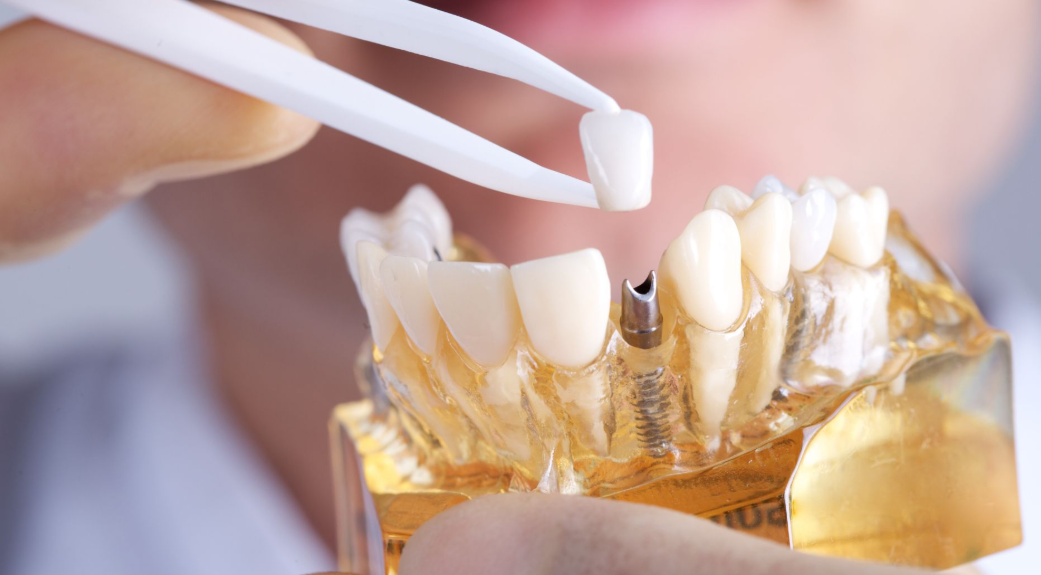
Dental implants use a small post that sits in the jawbone and functions like an artificial tooth root. They support crowns for individual tooth replacement, but they may also anchor bridges or help stabilize partial dentures. This structure gives the replacement tooth or restoration a solid foundation and allows the implant to fit naturally into daily chewing and speaking patterns.
Evaluation and Treatment Planning
The process begins with a detailed evaluation, including a review of dental records and imaging. These steps give the dentist a complete picture of the jawbone, gum health, and spacing. Imaging also helps determine the best placement option for the post. With this information, the dentist determines whether a patient is a good candidate for an implant or implant-supported restoration.
Several factors influence a patient’s ability to get an implant; bone strength, surrounding tooth stability, and overall oral health contribute to the decision. The dental provider also reviews the medical history to confirm suitability for implant placement. Once these factors are assessed, the patient can schedule the surgical post placement appointment.
See also: Preventive Cardiology: Reducing Stress for Better Heart Health
Post Placement Procedure
During the placement appointment, the dentist applies anesthesia to keep the area comfortable. A small incision opens the gum to allow access to the bone. The dentist prepares the site by creating a precise opening in the jawbone, and then places the implant post into this space. The gum tissue is then closed over the area.
Healing begins immediately, and the bone gradually integrates with the post. This stage often lasts between three and nine months, depending on bone density and individual healing progress. The post stays protected beneath the gum during this period. Once the bone has fully strengthened around the implant, the restoration phase can proceed.
Impressions and Custom Restoration
Once the implant is stable, the dentist takes impressions to record the bite and the surrounding teeth. These impressions are detailed enough to support the creation of a restoration that fits naturally. They also help confirm that the final tooth or restoration will align well with the upper or lower teeth.
The impressions guide the creation of a custom crown, bridge, or denture that blends with neighboring teeth. After the restoration is ready, the dentist has what they need to finish the treatment.
Attachment of the Dental Restoration
A small connector piece called an abutment attaches to the implant before the restoration is placed. This connector allows the crown, bridge, or denture to attach securely. Once the restoration is in place, the dentist checks the bite and makes any necessary minor adjustments for comfort.
After placement, the restoration works much like a natural tooth or set of teeth. Chewing patterns usually feel familiar, and the structure remains steady because of the support from the implant post. These features help the restoration function reliably in daily use.
Learn More About Dental Implants
Dental implants replace missing teeth and offer stability and structure that can improve overall oral health and appearance. Regular visits with a dentist can help maintain the results of implants for years. For more information about dental implants and their benefits, consult your dental provider.